
The Philippines’ long battle against Islamist extremism is back in the spotlight following Bondi attack
Author
ALEXEY
Date Published
As Australian authorities try to retrace the steps and understand the motivations of the Bondi Beach gunmen who killed 15 people on Sunday, one key focus has emerged: their travel to the Philippines last month, shortly before the attack.
Officials say father-son duo Sajid and Naveed Akram journeyed to a southern part of the archipelago nation that has endured a painful history of Islamic extremism.
They stayed in the country for nearly a month; then, two weeks after departing, they carried out their massacre on the famed Sydney beach, targeting a Jewish celebration in what was Australia’s worst mass shooting in decades. Later, homemade Islamic State flags were found in their car.
There’s a lot that’s still not clear. Authorities haven’t provided any more details on where they traveled within the Philippines during their trip, what they were doing, and whether the trip was directly linked at all to the attack.
“The reasons why they went to the Philippines and the purpose of that and where they went when they were there is under investigation at the moment,” New South Wales Police said on Tuesday, adding that the pair hadn’t triggered any security alerts during their trip.
The son had previously been examined by Australia’s domestic security agency six years ago for his close ties to a Sydney-based Islamic State (IS) terrorism cell, but was not deemed a threat.
However, Australian counterterrorism officials believe the men underwent military-style training while in the Philippines, public broadcaster ABC reported on Tuesday.
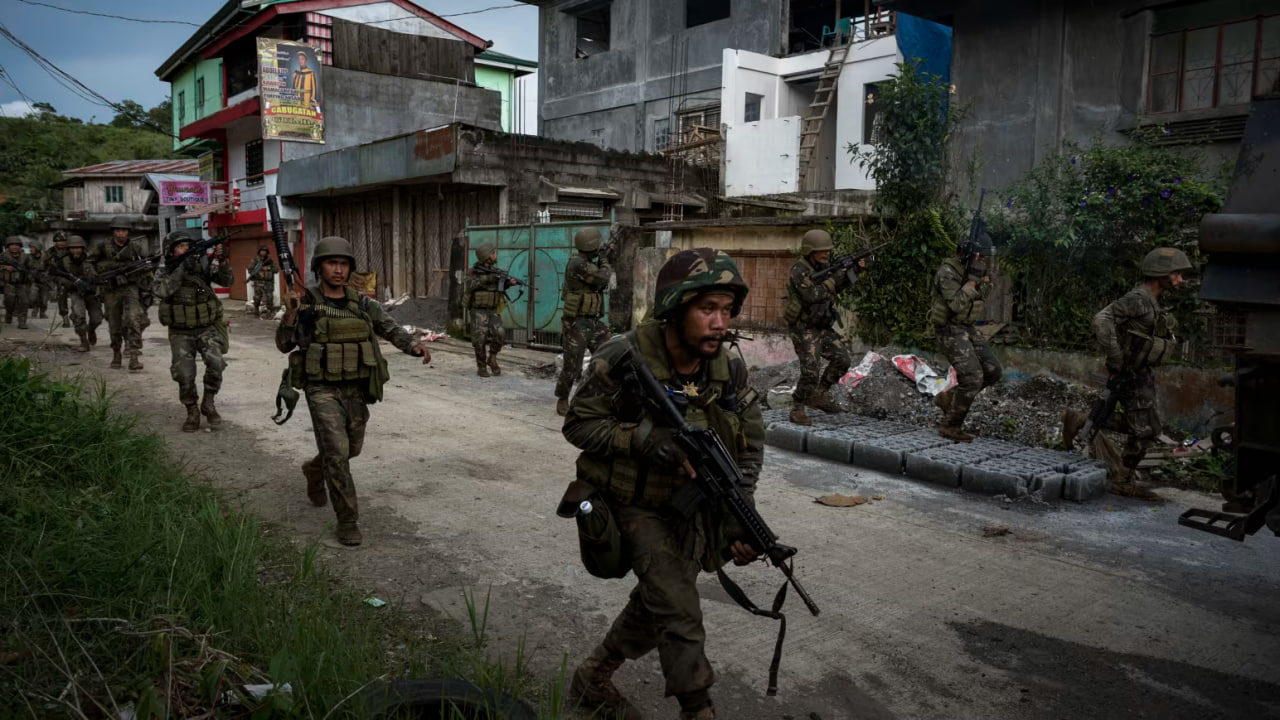
And experts tell CNN that although terrorism in the Philippines has declined in recent years, many Islamic militant groups remain active and armed in more remote regions – and are willing to train foreign fighters that have long flocked to the Southeast Asian nation.